
Argument ideas by Small-Town Sedona Small-Town Sedona
Home rule doesn’t truly represent the public will. A result that is achieved through
use of public funds to promote misinformation is not a genuine expression of the public
will. A result that is achieved via threats and blackmail is neither morally or legally a
true expression of the public will.
Home rule promotes government waste. With an ample budget, city staff feel free to
indulge in guesstimates without conducting sufficient project analysis. Additional staff
are hired regardless of whether their employment can be justified. The existence of
large amounts of funding encourages ambitious planning not grounded in community
needs. Projects are approved before budgets are prepared. Projects are never evaluated
for cancellation or adjustment based on their progress. Performance metrics are not set
for either city employees or outside contractors or consultants and city contracts have no
hard deadlines or penalties attached to require performance on budget. The city
manager can spend up to $100,000 and can authorize changes to a project valued up to
10 percent of a project’s total cost without any legislative approval, and in instances that
they unilaterally deem to be an “emergency,” staff can spend any amount they want
without any city council approval at all. City staff also never hold post-mortems on
completed projects to find out what went wrong and how they can do it better.
Home rule gives Sedona a budget more than twice the norm for cities of its size in
Arizona and the rural West. The argument here is basically just the budget numbers
for comparable cities around Arizona, New Mexico, Utah, Colorado, Wyoming,
Montana; these can be filled in later.
Home rule rejects Sedona’s traditions. From 1902 until 1988, the Sedona community
functioned well without a formal government or any government spending because
community members volunteered to do what was necessary to keep the place running.
Suggesting that paying outsiders to perform community functions as jobs forgets what
Sedona was about. Home rule also gives Sedona a budget far out of proportion to the
needs and desires of the simple artists and craftsmen who created this place. By all
accounts, quality of life in Sedona was far better back when there was no city of Sedona.
Home rule leads to higher taxes. In 2013, the city raised its bed tax to market Sedona
via the regional Chamber of Commerce, a function that should have been left to private
businesses themselves in a free market. In 2017, the city council approved another new
half-cent sales tax that was earmarked to fund approximately $35 million in road
construction projects over the following decade, and in 2021, the council made the
supposedly temporary tax permanent. The idea of additional tax increases to fund future
projects has also been brought up by city staff in recent months. Higher taxes lead to big
government and government overreach. If the city isn’t allowed to spend all the money
it collects, either taxes can be cut, or Sedonans can get an annual tax rebate paid for in
part out of tourist tax dollars.
Home rule helps city bureaucrats destroy the arts in Sedona. Creating a city
apparatus of inspectors and cops and permitting allowed NIMBYs with a grudge to kill
venues and performances, and the city’s continued desire to kill tourism will kill visual
arts too.
Home rule drives special events and businesses out of town. The city’s actions to
increase taxes, regulations, and traffic have increased the cost of handyman, plumbers,
and other trades. They charge a trip now. Service providers won’t service Sedona.
Direct raw materials deliveries won’t deliver to Sedona. Employees don’t want to
commute into Sedona.
Home rule leads to more STRs. By creating obstacles to small-scale development and
prioritizing the construction of market-rate, for-profit homes that can be turned into
STRs through the way the code is set up, the city has incentivized the development of
short-term rentals rather than long-term housing. A tourist-oriented transit program also
furthers such development. In addition, city funds spent on tourism marketing, directly
or indirectly, mean that the city is advertising STRs.
Home rule leads to the transfer of public funds to private entities through nonprofit
grants and high-value contracts. Private corporations are embedded within the city
system and are given a greater voice than the residents. Contracts are routinely handed
out without bidding, such as those to the Sedona Chamber of Commerce and the
contract for the Uptown parking garage. Nonprofits receive both annual grants and
service contracts, but are expected to tailor their missions and program criteria to the
city’s demands in return. The garage itself was justified as a concession to businesses
after the city had engaged in extensive anti-tourism rhetoric. The municipality is not in
charge of making sure the businesses that they like get enough business.
Home rule funds police brutality and a force out of proportion to community
needs. We now have community members standing up at council meetings testifying
about the treatment they receive from Sedona cops. Recently, we saw six police cars
needed to bust a single person for drugs at their own home. Are five cops needed to
tackle one old homeless guy? Sedona’s police chief sat in front of council and said she
needed more staff not to solve any problem in the community, but simply because her
department’s staffing level hadn’t grown sufficiently in proportion to other departments
in the city. And let’s not forget they went behind our backs to install surveillance and
tracking cameras with all the money they had on their hands.
Home rule encourages city purchases of formerly private land. This goes back to
the acquisition of Ranger Station Park and has continued with the purchases of the
Jordan Road site now being given away to the fire district, the Sedona Cultural Park, the 2411 SR 89A site, the Sunset Drive parcel planned for Sunset Lofts, and others. City
removal of land from the publicly-available pool drives up housing and construction
costs. In addition, city staff and council have explicitly made it clear that they are
buying up land in order to prevent private owners from using it as they choose and are
thereby manipulating the Sedona land market.
Home rule rewards poor performance by staff with high salaries. A lean
government wouldn’t be given 5 percent to 10 percent automatic raises every year, nor
would it be paying 45 people more than $100,000 a year in a time of economic crisis and
the average staff member almost twice what the average worker makes.
Home rule damages the environment and impedes sustainability. With ample funds
at their disposal, city staff feel free to asphalt over Sedona, cut down people’s trees, pour
tens of thousands of cubic yards of concrete, blast apart the red rocks they pretend to
love, indulge in projects that waste hundreds of thousands of gallons of water, and build
a transit system that increases carbon emissions—even while pretending that they are
passionately concerned with reducing emissions.
Home rule destroys a small-town ethos. Constant development funded by a large
budget does not preserve small-town values or align with community needs. Many
Sedonans moved here to live in a small town and do not appreciate this rural Western
community slowly being manicured into a plastic version of Stepford Sedona where
everything is both artificial and controlled by Big Brother.
Home rule allows city employees to become out of control. The larger the budgets,
the more numerous the projects, and the greater staff’s discretion, the less control
democratically elected representatives have over staff. Staff routinely refuse to provide
council with information, manipulate the information they present to council, and
manipulate discussions and presentations to guide council to the decisions that they
want.
Home rule rejects the idea of minimalism as a philosophical virtue. In traditional
cultures, simplicity and efficiency are highly valued for their own sake. Governments
which are minimal are known to be less oppressive and therefore closer to the
philosophical ideal of freedom.
Home rule is anti-democratic. The state expenditure limit was originally set by the
voters of this state after they became wary of big government. Returning to that limit,
again by a vote, is an acknowledgment of the wisdom of the democratic process,
especially given that the voters can revisit the issue whenever they desire to do so.
Simply handing over unlimited authority to decide on spending to a small, largely self-selected group of individuals, however, is the opposite of democracy; it is the abnegation
of democratic responsibility and the meek acceptance of oligarchy.
ABOUT Small-Town Sedona
The mission of Small-Town Sedona is to bring together individuals who seek a small-town environment in order to revive the democratic process in Sedona and restore a rural form of government, while maintaining Sedona’s heritage as a city animated by the arts and Western tradition.
We are a political action committee composed of the small-towners, the old-timers, and the down-homers, and we ask nothing of our community beyond the opportunity to do the work needed to maintain a fun, sustainable Sedona in the best traditions of our history.

Visit Small-Town Sedona
https://smalltownsedona.org
Other HOME RULE posts:
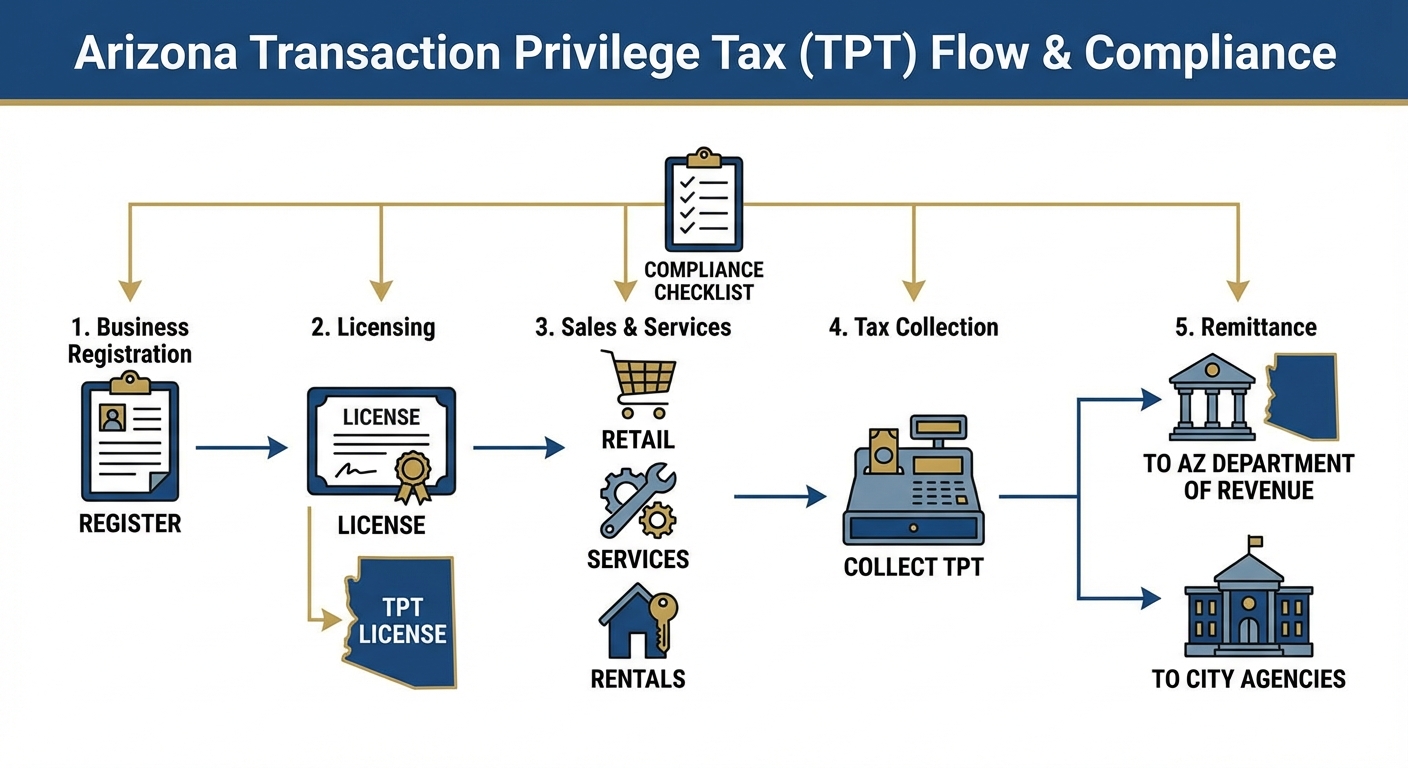
Let’s get into the weeds. Per capita TPT sales tax can’t be used as a tourism only economic marker. Transaction Privilege Tax | Arizona Department…
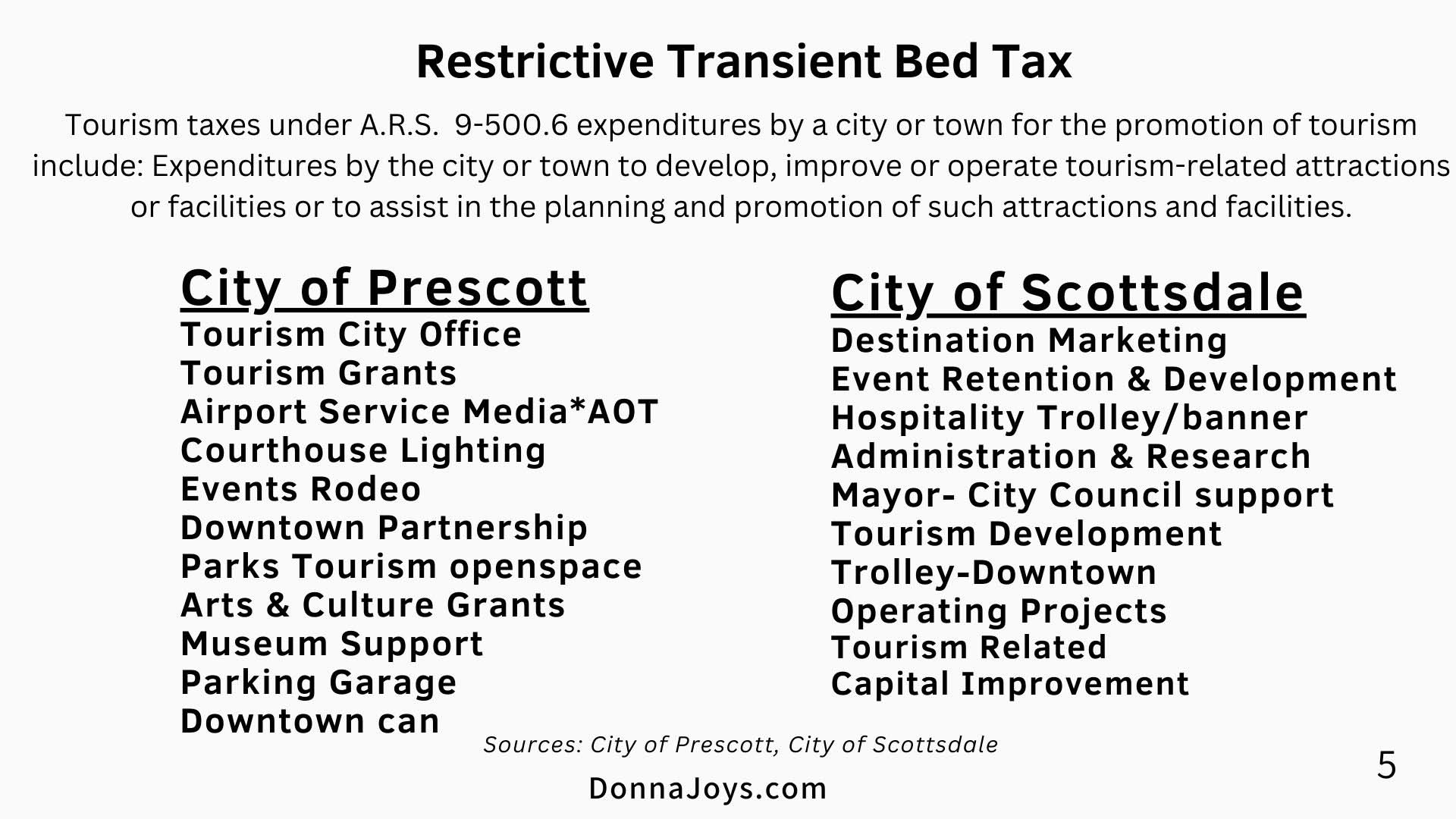
The City of Sedona creates a CRISIS in order to get City sales and bed tax increases, projects, and programs approved. Sedona’s Crisis started with…
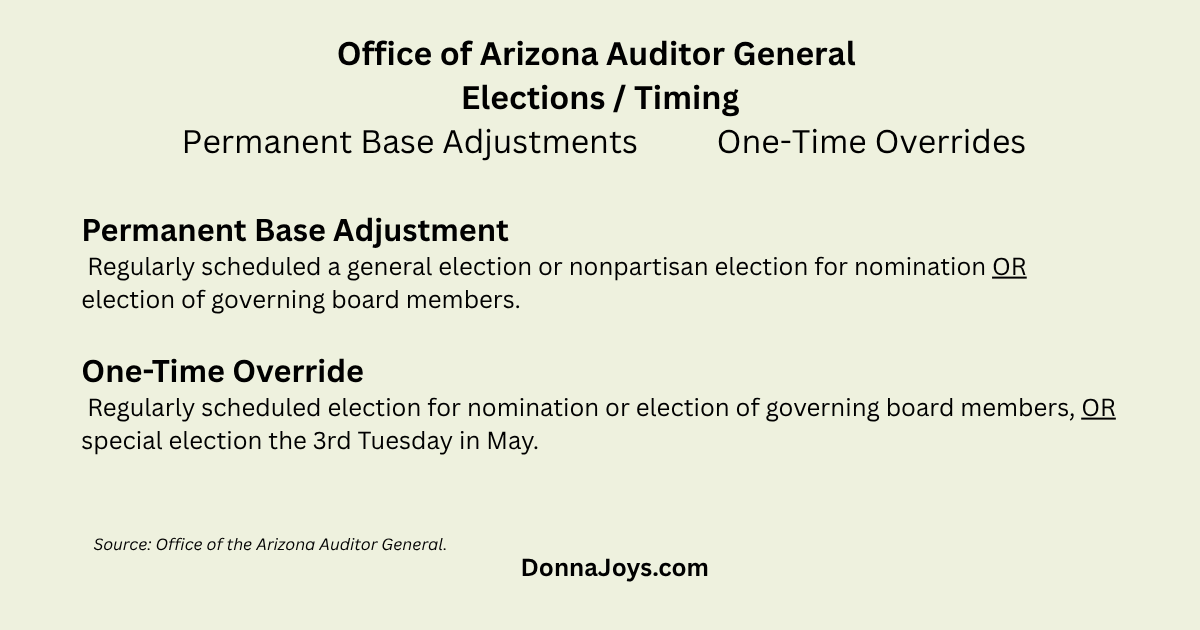
The Office of Arizona Auditor General defined elections and timing Permanent Base Adjustments and One-Time Overrides Office of Arizona Auditor General defined elections and timing…
The city of Sedona has only used guesstimates for over the last three decades to determine the percentile of city-sales-tax that is contributed by the…
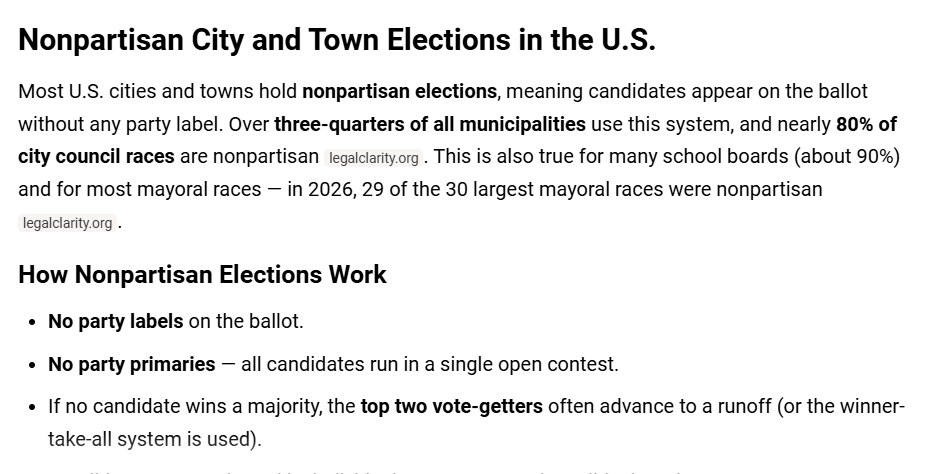
Some of my reasons to vote NO on Home Ruleby Sedona Resident Dana H. Varney Sedona city government is not nonpartisan. It is under Democratic…

Every four years the voters are requested by the city to give the city the power of “Home Rule” Home Rule power gives the City…
Call for Arguments
On March 10, 2026, the City Council passed Resolution No. 2026-03 proposing an Extension of the Alternative Expenditure Limitation (Home Rule Option). Voter ratification of the proposed extension is required. This issue will appear on the July 21, 2026 ballot. Information regarding this issue will be included in a publicity pamphlet.
Arguments supporting or opposing adoption of the Extension of the Alternative Expenditure Limitation (Home Rule Option) may be submitted to the Sedona City Clerk at cityclerksdept@sedonaaz.gov. Arguments cannot exceed 200 words in length and must also be submitted in electronic format. Individuals submitting arguments must provide their name, physical or mailing address, and a telephone number. Only your name will be included in the publicity pamphlet. Each argument filed shall contain the sworn statement of each person sponsoring it. If the argument is sponsored by an organization, it shall contain the sworn statement of two executive officers of the organization or if sponsored by a political committee it shall contain the sworn statement of the committee’s chairman or treasurer.
The deadline for submission of supporting or opposing arguments is Wednesday, April 15, 2026 at 5:00 p.m.
NEWS RELEASE https://www.sedonaaz.gov/home/showpublisheddocument/55862/639088427641900000